
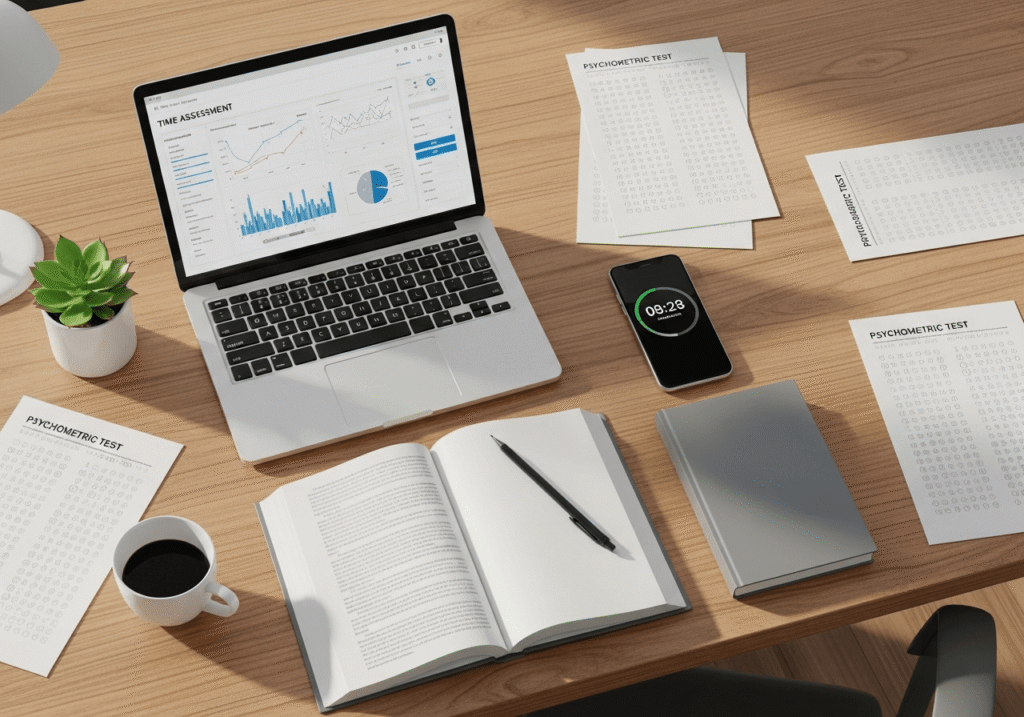
No topic stirs the pot of academic discourse quite like the puzzling gap between intelligence and performance, especially in the context of psychometric testing. Consider this: why do students, lauded for their acumen in traditional academics, stumble when faced with psychometric assessments? This conundrum has been perplexing educators and psychologists alike. The answer lies beyond mere intellect, unraveling into realms of emotional intelligence, stress management, and test familiarity.
Understanding the Scope of Psychometric Tests
Psychometric tests encompass various assessments designed to measure cognitive abilities, attitudes, and various personality traits. Unlike typical academic exams that focus heavily on retention and regurgitation of information, psychometric tests delve into how a student thinks and reacts to new situations. This sphere of testing evaluates multiple dimensions: logical reasoning, pattern recognition, and even emotional stability. According to experts from the British Psychological Society, these tests offer valuable insights into an individual's potential for specific tasks or roles, elevating their relevance in academic and employment settings.
Intelligence Versus Test Performance
One might naturally assume that a bright student would sail through these assessments with ease. However, research indicates a stark deviation from this assumption. Martin and O'Connor in their seminal study from Cambridge University illustrate this paradox, highlighting contextual intelligence as being distinct from academic prowess. Most intelligent students excel in structured environments where learning materials are familiar and repetitive. In contrast, psychometric assessments require adaptability and quick thinking, often under time constraints, which can be daunting for some students who are not accustomed to this format.
Emotional Intelligence: The Unsung Hero
Where conventional intelligence might falter, emotional intelligence comes into play as a critical component for success in psychometric evaluations. Daniel Goleman, who pioneered the concept of emotional intelligence, posits that being self-aware, managing emotions effectively, and demonstrating empathy significantly contribute to one's psychological resilience. This is crucial for navigating high-pressure testing situations. Students often falter due to underdeveloped emotional skills, leading them to misinterpret questions or second-guess their initial responses, both of which can lower overall test performance.
The Pressure Cooker Effect
The academic culture often places significant pressure on students to perform well, not only in exams but also in psychometric tests. The anxiety associated with meeting high expectations can severely impact performance. Unlike students who approach tests with a calmer demeanor, those who succumb to stress often exhibit a drop in performance levels. Researchers like Marcy F. Pusey emphasize the powerful impact of stress hormones such as cortisol on cognitive functioning. Elevated stress levels can impair memory recall and logical reasoning, two core areas evaluated in psychometric tests.
Familiarity and Exposure
Another crucial aspect is the degree of familiarity students have with the format and style of psychometric tests. Often, these assessments include tasks that students have never encountered during traditional schooling. The lack of familiarity breeds discomfort and anxiety. Many experts advocate for integrating psychometric-style questions into regular educational curricula to ease students into this assessment style gradually. By doing so, educators can bridge the gap between intelligence and test performance effectively.
Checklist to Enhance Psychometric Performance
For students looking to improve their performance on psychometric tests, consider the following checklist:
- Regular exposure to psychometric-style questions to build familiarity.
- Practice mindfulness and relaxation techniques to manage test anxiety.
- Develop emotional intelligence by improving self-awareness and empathy.
- Time management exercises to enhance adaptability and efficiency under pressure.
- Seek feedback from mentors or coaches to identify and work on weak areas.
Leveraging Test Practice Resources
An effective strategy is to utilize practice resources that simulate the conditions and types of questions likely encountered in actual assessments. Repeated practice not only boosts confidence but also sharpens the cognitive skills necessary for performing under pressure. With consistent effort, smart students can unlock their full potential, tailoring their innate intelligence to meet the demands of these complex evaluations.
Conclusion: Bridging the Gap
Ultimately, the relationship between intelligence and psychometric test performance is multifaceted. Success in these assessments requires a harmonious balance between cognitive abilities, emotional intelligence, and appropriate preparation. As educators and students alike recognize the importance of these additional dimensions, they can collaboratively work towards a more inclusive metric of student ability. By embracing this comprehensive approach, the academic world can soften the chasm that often leaves smart students perplexed in the face of psychometric challenges.